

Is Binge-Watching Bad for Your Health?
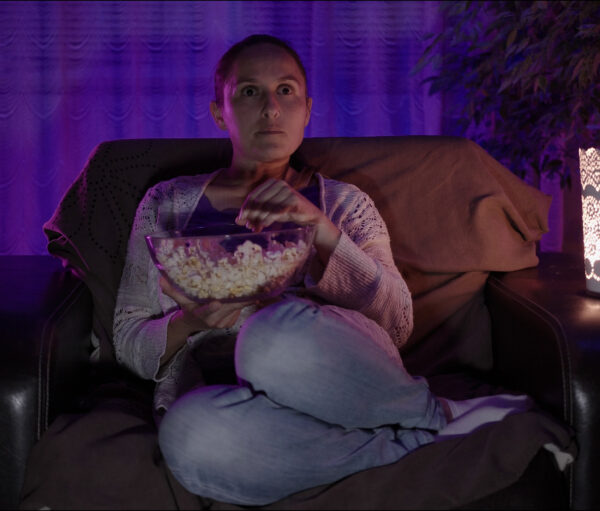
We’ve long known that hours of couch-potato TV time is hard on the body. A sedentary lifestyle raises the risk of obesity, heart disease, type 2 diabetes, and even Alzheimer’s disease. Research from USC and the University of Arizona found that adults 60 and older who spend long stretches watching TV passively may be at increased risk of developing dementia, a risk that persisted even among participants who were otherwise physically active.
Beyond the sitting itself, TV watching tends to bring along a cluster of other unhealthy habits, including eating junk food, failing to connect socially with others, and disrupted sleep. Experts recommend breaking up long viewing sessions with movement, or setting up a treadmill in front of the screen to multitask.
But does what we watch and how we watch it matter too? A growing body of research suggests that binge-watching, the practice of streaming multiple episodes back-to-back, poses its own distinct threat: wrecking your sleep.
A survey by the American Academy of Sleep Medicine found that 91% of people admitted they have stayed up too late binge-watching TV. And the consequences go beyond a groggy morning. Research published in the Journal of Behavioral Addictions in 2024 links excessive binge-watching to higher cortisol levels, increased insomnia, and symptoms resembling mild depression.
Two major studies published in March 2025 shed new light on just how serious the screen-sleep connection has become. One, in Frontiers in Psychiatry, examined nearly 40,000 university students in Norway and found that each additional hour of screen time in bed was tied to a 59% higher chance of insomnia symptoms, with students sleeping an average of 24 fewer minutes per night for every extra hour of use. A separate study found that adults who used screens before bed had a 33% higher rate of poor sleep quality and slept roughly 50 minutes less per week than those who avoided screens.
Why is binge-watching so disruptive to sleep in particular? Watching multiple episodes in one session has been linked to poor sleep quality and insomnia, possibly because viewers become overly stimulated before bedtime. Shows with high emotional intensity or unresolved plots tend to trigger the strongest psychological responses, making it harder to disengage. Autoplay features and algorithmic recommendations are specifically designed to keep viewers hooked, making it all too easy to watch “just one more episode” well past a reasonable bedtime.
There’s also the issue of sleep debt. That’s the cumulative deficit that builds when we chronically shortchange our rest. While you might recover from an occasional late night, a chronic pattern of sleep loss is linked to decreased cognitive function, impaired memory, and increased risk of obesity, diabetes, and cardiovascular disease.
The health risks of a binge-watching habit overlap disturbingly with the risks of prolonged sitting—essentially compounding each other. Sleep experts recommend shutting off screens at least an hour before bed. Whether that means switching to a book, a podcast, or simply an earlier bedtime, your body will thank you in the morning.
Source: IlluminAge reporting on a study from University of Michigan.
The information in this article is not intended to replace the advice of your healthcare provider. Talk to your doctor or a sleep specialist if you are experiencing sleep problems.